Why we keep our own beehives
Antonio Naranjo2 min read
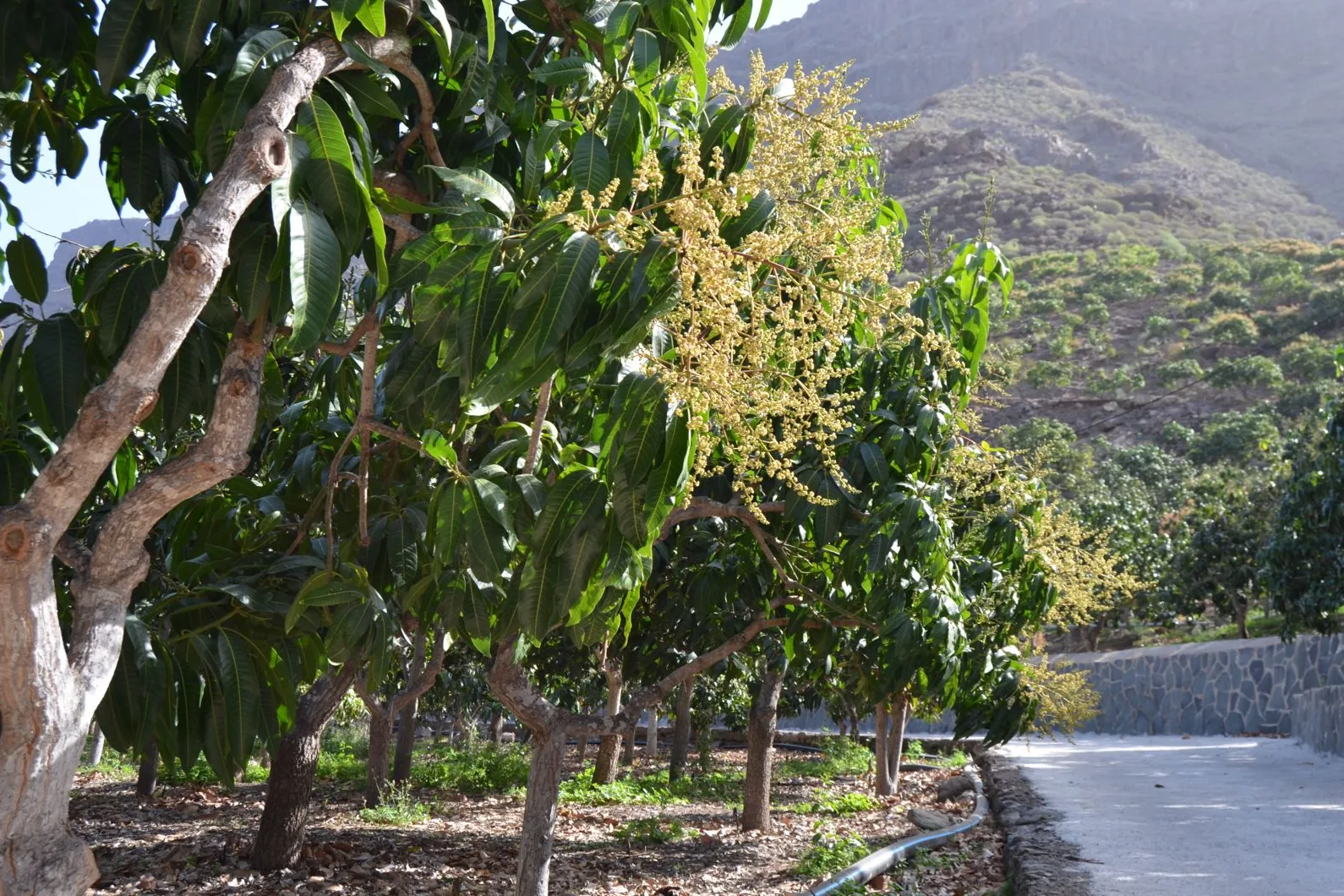
If you walk among the trees in flower, you hear the hum before you see anything. Those are our bees, working through the mango blossom. The hives are our own, spread across the farm. They are not a pretty detail to show visitors. Pollination is, with the sun and the water, one of the three ingredients of every harvest.
A mango does not come from good soil and a good climate alone. Each flower has to be pollinated before it can become fruit.
The work we cannot do ourselves
We choose when to pick the mango, we clean it and we cool it. We cannot do the flower. The bee does that part better than any shortcut.
Having the hives on the farm lets us:
- Keep pollination going through flowering, without a gap in which the blossom is missed.
- Avoid depending on someone bringing hives in from outside on the exact day the tree needs them.
- Leave the process with the bee, instead of replacing it with an artificial fix.
Flowering does not follow an office calendar. When it comes, the hives are already among the trees.
A sign of how the farm is doing
A healthy colony says a lot about the place around it. Bees notice harsh pesticides and run-down surroundings. If they thrive among the mangoes, the ecosystem around them is looked after and in balance.
That is why the hives are not only a tool for getting more fruit. They are a sign of how the farm is worked. Keeping them here, rather than ordering pollination from outside, says a good deal about our farming: looking ahead, respecting the cycles, and letting nature do the part it does best.
The next time you cut a Mogansol mango, that fruit was a flower first. And that flower was visited by a bee from the farm itself.